

The Q4 2025 U.S. Home Equity & Underwater Report from ATTOM reveals that in the fourth quarter, 44.6% of mortgaged residential properties nationwide were deemed equity-rich, indicating that the total estimated amount of loan balances secured by these properties was less than or equal to half of their estimated market values.
The level represented a minor decrease from the estimated 46.1% recorded in Q3 2025 and a decline from the recent high of 49.2% in Q2 2024. Nonetheless, Q4 of 2025 recorded the lowest proportion of equity-rich properties since Q4 of 2021.
“After years of rapid gains, homeowner equity is settling into a more sustainable range, and that’s not a negative sign for the market,” said Rob Barber, CEO at ATTOM. “Even with a modest pullback in equity-rich properties and a slight uptick in seriously underwater homes, overall equity levels remain remarkably strong by historical standards. As we move toward the spring buying season, these numbers suggest a housing market that is stabilizing rather than overheating, giving homeowners a solid financial foundation while allowing for healthier market dynamics.”
Housing Market Shifts & Equity Trends
Between 2019 and 2022, the homeowner equity in the U.S. housing market skyrocketed, with the proportion of equity-rich mortgages increasing from approximately 27% to a peak of nearly 49% due to rising home values. During this time, the rates of those who were seriously underwater dropped by over 50% and hit a historical low of under 3%. The Q4 2025 U.S. Home Equity & Underwater Report from ATTOM indicates that homeowner equity has eased slightly from its recent peaks, while the proportion of seriously underwater mortgages continues to hover near historic lows.
During Q4 of 2025, the percentage of mortgaged homes classified as equity-rich was 44.6%, significantly exceeding the early 2020 figure of 26.5%. The latest figure decreased in 42 of the 49 U.S. states from the third to Q4 of 2025, mostly by less than two percentage points, and also saw an annual decline in 42 states.
The annual decreases were led by:
- Florida (portion of mortgaged homes considered equity-rich decreased from 50.9% in Q4 of 2024 to 43.9% in Q4 of 2025)
- Kentucky (down from 38.5% to 32.1%)
- South Carolina (down from 46.7% to 40.9%)
- New Mexico (down from 49.6% to 44%)
- Arizona (down from 50.9% to 45.4%)

Conversely, equity-rich levels see a slight uptick across a wide swath of the U.S., primarily in the Northeast and Midwest but present in all major regions.
The largest year-over-year (YoY) increases during Q4 of 2025 came in:
- Alaska (up YoY from 31.5% to 33.5%)
- North Dakota (up from 32.4% to 33.7%)
- Illinois (up from 33% to 33.7%)
- South Dakota (up from 52.3% to 52.8%)
- New York (up from 54.9% to 55.4%)
However, seriously underwater mortgage rates have mostly stayed stable throughout the U.S. despite consistently changing housing market activity.
Underwater Mortgage Stability Varies by Region
In Q4 of 2025, there was only a slight change in the percentage of mortgaged homes regarded as seriously underwater across the U.S. The rate, now at 3.0%, experienced a slight increase from the previous quarter but stayed close to historical lows, highlighting the ongoing stability of homeowner equity positions across the country.
The biggest annual improvements in seriously underwater mortgages were in:
- North Dakota (share of mortgaged homes that were seriously underwater down from 4.7% in Q4 of 2024 to 4.2% in Q4 of 2025)
- South Dakota (down from 3.2% to 2.9%)
- Wyoming (down from 2.4% to 2.3%)
- Idaho (down from 2.7% to 2.6%)
The largest YoY increases in the percentage of seriously underwater homes during Q4 of 2025 were in:
- Mississippi (up from 6.4% to 8.3%)
- Kentucky (up from 6.1% to 7.9%)
- District of Columbia (up from 3.2% to 4.4%)
- Louisiana (up from 9.5% to 10.7%)
- Maryland (up from 2.6% to 3.7%)

Where are the Largest Share of Equity-Rich States?
During the last quarter of 2025, states with the largest proportions of equity-rich mortgaged homes were primarily located in the Northeast and West, underscoring the impact of elevated home values and sustained price growth in these areas.
With 87.% of mortgaged homes deemed equity-rich, Vermont significantly outperformed the rest of the country. It was followed by New Hampshire (60.2%), Rhode Island (59.4%), Maine (58.1%), and Montana (57.3%). New York, Massachusetts, Hawaii, California, and Idaho were among the other states where more than half of mortgaged homes were equity-rich.
The states that had the lowest equity-rich rates were predominantly located in the Midwest and South. Louisiana was in last place with a rate of 20.1%, while Maryland (28.4%), the District of Columbia (30.0%), Kentucky (32.1%), and Iowa (32.9%) also recorded comparatively low percentages. Equity rich levels in Alaska, North Dakota, Illinois, and Oklahoma were each below 35%, highlighting the regional disparities in homeowner equity across the nation.
In summary, the Q4 2025 data indicates a distinct regional divide: coastal and Northeastern markets with higher costs occupy the top tier, whereas numerous interior and Southern states are positioned at the lower end of the spectrum, even though they still maintain substantial equity cushions.
Out of 1,753 counties with a minimum of 2,500 mortgaged homes in Q4 2025, those that had the largest proportions of equity-rich properties were mainly located in the Midwest. A large number of the highest-ranked areas were situated in Michigan and Wisconsin, with a few others in adjacent Midwestern states. This highlights the region’s significance among the country’s most equity-rich counties.
Counties with the highest share of equity-rich properties were:
- Benzie County (Beulah), MI (94.2%)
- Manistee County, MI (92.2%)
- Marquette, MI (91.8%)
- Chittenden, VT (91.1%)
- Portage County (Stevens Point), WI (90.5%)
The 20 counties with the lowest percentage of equity-rich homes were predominantly located in the South, particularly clustered in Louisiana and also found across Mississippi, Kentucky, Georgia, South Carolina, Virginia, and Oklahoma.
The lowest were in:
- Vernon Parish (Leesville), LA (7.6% equity-rich)
- Lauderdale, MS (9.6%)
- Greenup County, KY (10.1%))
- Long County, GA (south of Savannah) (11.1%)
- Finney County, KS (12%)
Mortgaged Homes Considered Equity-Rich Vary by ZIP Code
Out of 9,073 U.S. ZIP codes with a minimum of 2,000 residential properties with mortgages, there were approximately 2,927 (32.3%) where at least half of the mortgaged residential properties were equity-rich. California had the largest share among the top 50 ZIP codes, accounting for 19, followed by Massachusetts with six, making these two states the most heavily represented overall.
In the analysis of 9,073 U.S. zip codes conducted in Q4 2025, only 252 locations (accounting for 2.8%) had more than 10% of mortgaged properties that were seriously underwater.
The top five zip codes with the largest shares of seriously underwater properties in Q4 of 2025 were:
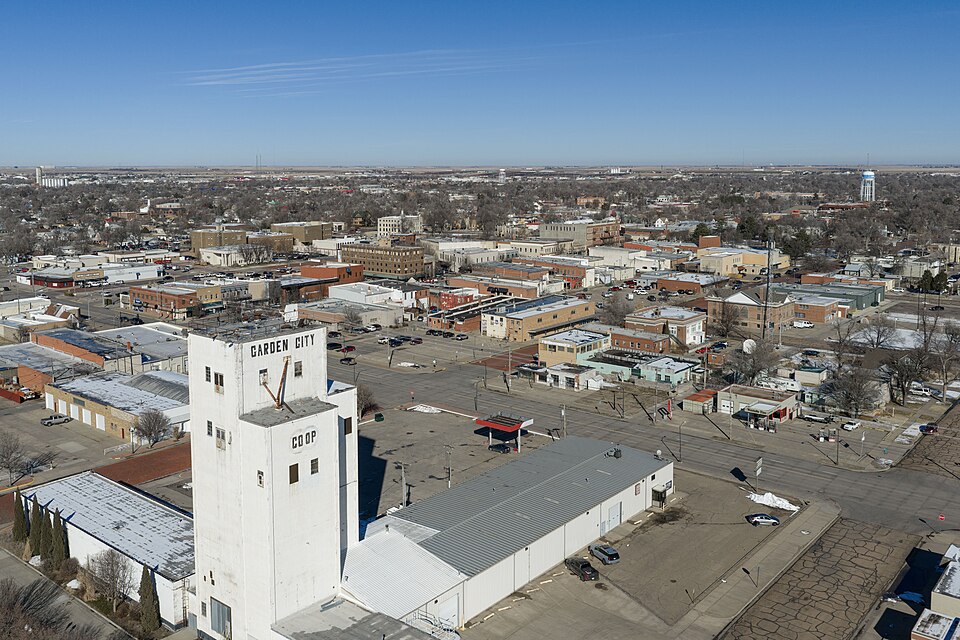
- Garden City, KS: 67846 (52% of mortgaged homes)
- Ruckersville, VA: 22968 (42.3%)
- Philadelphia: 19132 (35.3%)
- Milwaukee, WI: 53206 (28.7%)
- Lake Charles, LA: 70601 (27.8%)
During the last quarter of 2025, the states that had the highest percentages of seriously underwater mortgages were predominantly located in the Midwest and South regions. In contrast, the regions predominantly located in the Northeast and West exhibited the lowest proportions of seriously underwater mortgages.
The ATTOM Q4 2025 U.S. Home Equity & Underwater Report indicates a slight easing of homeowner equity in Q4 of 2025, with 44.6% of mortgaged homes classified as equity-rich, a decrease from the previous quarter. Meanwhile, the proportion of seriously underwater homes remained at 3%, close to historical lows. The data indicates a stabilization of the housing market following years of rapid price increases, with equity positions remaining robust by long-term standards.
To read the full report, click here.
The post The State of Homeowner Equity & Underwater Properties first appeared on The MortgagePoint.


