

Adaptive reuse initiatives are growing at an unprecedented rate, according to a new RentCafe report. The number of apartments arising from converted buildings was about 25,000 in 2024, following modest increases and even some declines in the years after the pandemic. That is double the numbers in 2022 and a staggering 50% more than the units delivered the previous year.
With about 181,000 apartments currently being converted, primarily from office buildings, conversion projects appear to be gaining even more momentum in the future. In particular, according to research from Yardi Matrix data as of July, around 78,500 units are anticipated from the renovations of old offices, followed by hotels with 35,800 flats and industrial buildings with over 31,000 units.
Further, in 2024, hotel-to-apartment conversions were particularly notable, producing over 9,100 additional rental units. By contrast, office-to-apartment conversions continued to account for a sizable portion of all adaptive reuse projects that year, producing over 5,900 units.
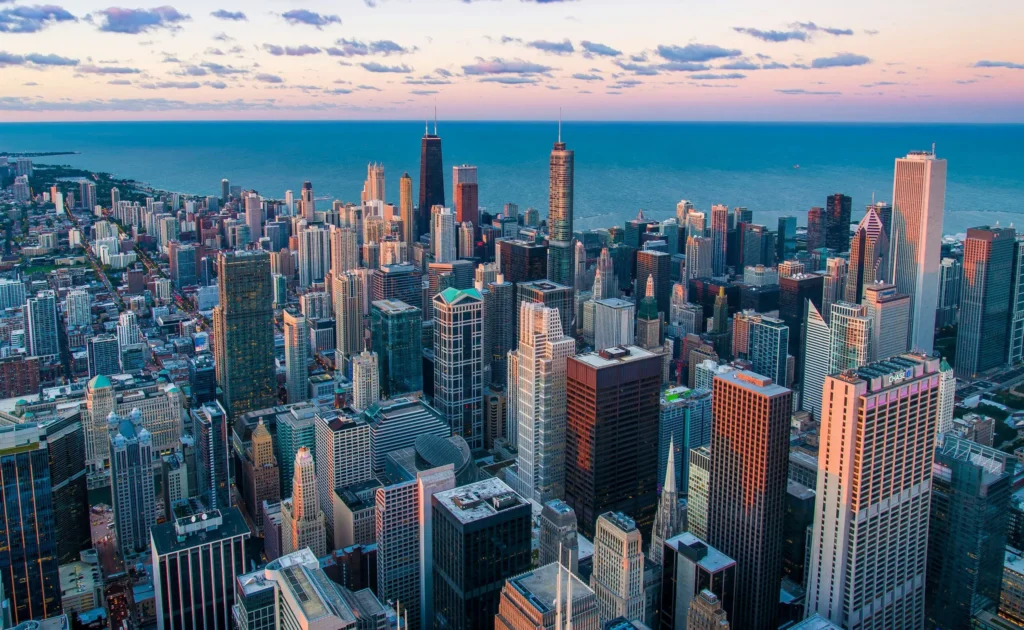
Top 10 Cities with Most Converted Apartments in 2024:
| Rank | City | Converted apartments |
|---|---|---|
| 1 | Chicago | 880 |
| 2 | Denver | 789 |
| 3 | Philadelphia | 761 |
| 4 | Dallas | 698 |
| 5 | Manhattan, NY | 588 |
| 6 | Minneapolis | 574 |
| 7 | Baltimore | 550 |
| 8 | Albany, NY | 546 |
| 9 | Jacksonville, FL | 543 |
| 10 | Detroit | 518 |
Hotel Conversions, School Reuse Leading the Way in U.S.
After initially overtaking workplace conversions in 2023, hotels are now the most common type of adaptive reuse. Squeezed profit margins, growing operational expenses, uneven demand, a slowdown in the post-pandemic recovery, rising interest rates, and impending debt maturities are all contributing factors to the rise in hotel-to-apartment conversions. The rise in hotel-to-apartment conversions has been fueled by a number of these causes, which have forced many hotel owners to sell.
In fact, over 37% of all adaptive reuse projects are hotel-to-apartment conversions, with office spaces coming in second at about 24%, industrial buildings at around 20%, and schools at an estimated 8%. In context, over 9,100 of the 24,700 flats finished through adaptive reuse in 2024 originated from hotels that had been converted. This represents a 46% increase over 2023 and an all-time high.
When it came to investing in adaptive reuse last year, developers almost entirely concentrated on old hospitality facilities. Consequently, Class B and C hotels—which are also more susceptible to market volatility—were the source of over 93% of recently converted apartments. In 2024, over 5,900 apartments were created from renovated office buildings, meaning that one in four newly converted apartments were once offices. In comparison to 2023, we also witnessed a strong 34% increase.
It’s interesting to note that seven out of ten newly delivered apartments in 2024 originated from stylish, contemporary (Class A) office buildings. Conversely, just 28% and 1%, respectively, of conversion projects involved offices with fewer amenities (Class B and C).
Notably, in 2024, newer, higher-quality buildings took the lead because they provide significant benefits for conversions, such as contemporary infrastructure, excellent sites, and greater financial viability. Additionally, they are particularly appealing for projects involving luxury apartments, which align with the preferences of many investors.
It is scarcely unexpected that these trends exist. A thorough examination of past data shows that the post-pandemic period saw a notable increase in hotel conversions. In fact, by 2022, the number of apartments resulting from hotel renovations had surpassed that of repurposed offices (3,100 units) by 4,100. The disparity kept growing, reaching a pinnacle last year when 5,900 rentals came from old offices and 9,100 from hotel conversions.
Just behind the peak in 2020, when about 6,000 units were produced from vacant office space, this represents the second-highest number ever. Additionally, although it hasn’t yet caught up to converted hotels, this kind of adaptive reuse is accelerating after declining at the beginning of the decade.
In 2024, there was also remarkable increase in other building categories. Consider schools: In 2024, nearly 2,000 flats were constructed from former school buildings nationwide, a fourfold rise from 2023 and an all-time high. Just 3% of all new units created through adaptive reuse in that year came from conversions of old educational facilities. That percentage then increased to 7.9% of the total in 2024, making it the adaptive reuse segment with the quickest rate of growth.
Declining student enrollment in some urban areas and the high expense of historic building renovations are the causes of this growth. Many of these schools needed a lot of renovation because they were constructed in the late 19th and early 20th centuries.
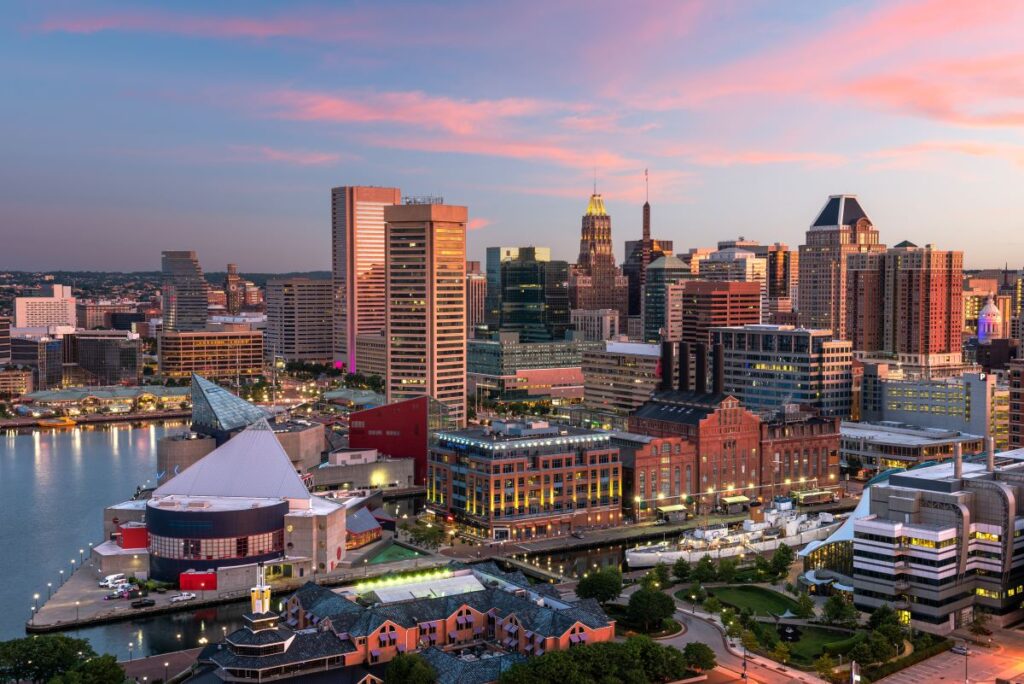
Top 10 Cities with Most Converted Apartments from Hotels in 2024:
| Rank | City | Converted apartments |
|---|---|---|
| 1 | Baltimore | 550 |
| 2 | Kissimmee, FL | 502 |
| 3 | Jacksonville, FL | 423 |
| 4 | Raleigh, NC | 390 |
| 5 | Nashville, TN | 371 |
| 6 | Durham, NC | 311 |
| 7 | Columbus, GA | 269 |
| 8 | Charlotte, NC | 234 |
| 9 | Farmington, CT | 225 |
| 10 | Reno, NV | 217 |
The adaptive reuse trend is still growing, even if it has surged at a never-before-seen rate in 2024. Instead, Yardi Matrix data shows that about 181,000 apartments are in various phases of development nationwide. Compared to the 151,000 units projected for 2024, this is a 19% increase.
The majority is anticipated to come from repurposing over 430 commercial buildings, producing over 78,400 flats. To put it another way, office spaces now account for 43% of anticipated adaptive reuse units, up from 38.5% the year before.
To read more, click here.
The post Adaptive Reuse for Apartments, Hotels Surges to New Record first appeared on The MortgagePoint.


